
Introduction: Can Anyone Run a Marathon?
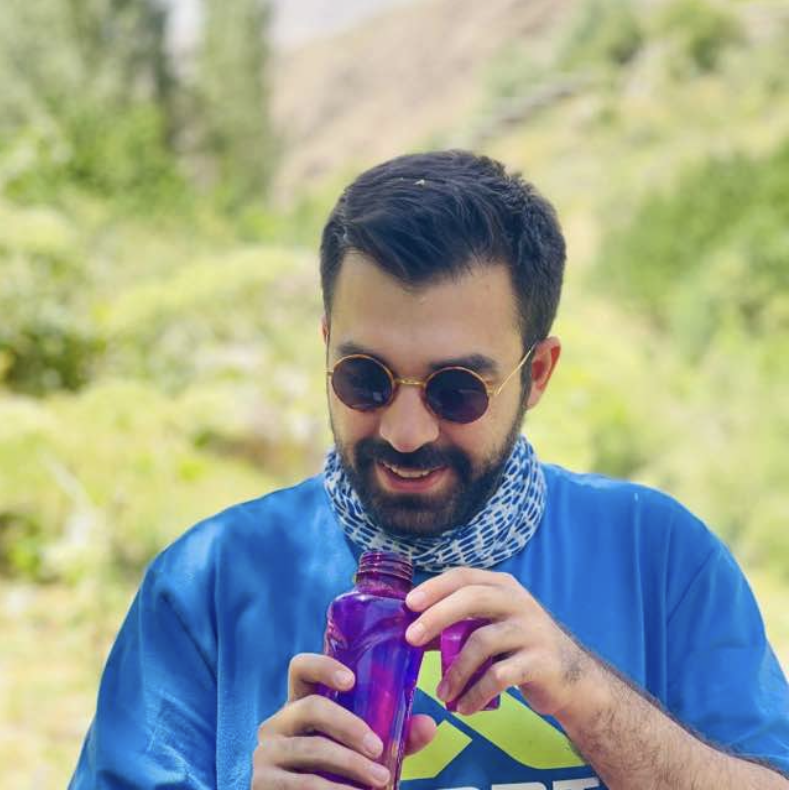
What does it take to go from almost no running to finishing a marathon in just 2.5 months? That’s what we’re about to find out. Meet Ali: a 25-year-old student in Barcelona and my first-ever coaching client. Together, we’re tackling the Barcelona Marathon, and this blog will document his journey week by week — the highs, the lows, and everything in between. Whether you’re a seasoned runner or thinking about your first race, you’ll find tips, insights into training, and plenty of relatable moments here.
Meet Ali
Ali and I met at university here in Barcelona, and our friendship began when we found out we were both waiting for Bitcoin to hit $100,000. But running? There had been slight interest in running until he kept asking about the Barcelona Marathon, maybe because I kept talking about it.
Early December, I got the message from Ali that he’d signed up for Barcelona, but he wanted me to put together a training plan to get him there. The kicker, training to start in January because who trains over the holidays. This left us with 2.5 months to get Ali marathon ready.
Ali has completed a trail marathon before, but many years ago and his last run, not race, run was a 16k trail run last April. Since then he’s been more focused on CrossFit and obviously moving to another country.
I asked him why he’s doing it, “I want to prove to myself that I can do it and I think it will also help with my mental health.” His goal for it is to just finish (Spoiler: This has since evolved to a sub 4:30 goal)
Now for me as his run coach it’s making sure he reaches his goal.
The Training Plan
With just 2.5 months until race day, we needed a focused, efficient plan. So I split the training into three parts, the first part is to focus on aerobic training and getting his body used to running again. This then leads nicely into the second part where alongside long runs, we want to introduce some endurance runs as well. The last part, most important, the taper to make sure he’s fully rested ahead of the race.
Here’s how we structured his first week:
- Two 35-minute runs: To build aerobic capacity and ease him back into running.
- One 1 hour run: The foundation of marathon training, this will increase steadily over time.
- One gym session: Focused on leg strength in order to make sure the legs are strong enough to deal with increased running (luckily he’s been doing CrossFit)
The key for Week 1 was to keep things manageable so we focused on length of time rather than distance or pace. He ran a total of 18 km across the week, and we incorporated strength training to target key leg muscle groups, quads, hamstrings, glutes and calves.
Oh, and first things first: new shoes. Ali picked up a pair of Adidas Supernova Stride, because every marathon journey starts with a new purchase!
Week 1 Highlights: Progress and Struggles
Ali hit the ground running—literally. His first run, however, didn’t go quite as planned. His post-run message to me was just one word: “Dead.” And we’re off to a great start.
The second run? Slightly better. It felt good for him, only struggling in the last five minutes. By the time his long run rolled around, I wanted to make sure he was ready, so I told him to carb up the night before. He went for pizza – solid.
Post-long-run message? “Dieing.” (His spelling, not mine.) It was tough, but I could get a sense of pride from him over the next couple of days that he was able to do it. The first week was in the books, and he’d made it through.
Addressing Niggles
No marathon journey is without its aches and pains, and Ali’s Week 1 was no exception. After his long run, he noticed some knee pain, which he says he sorted by going to the pool, what he did in the pool I don’t know. This is a reminder that knee issues often stem from weaker supporting muscles, which is why strength training is non-negotiable in our plan.
He also experienced some lower back discomfort after leg day. To address this, we added lumbar stretches and exercises to his routine. The goal? Strengthen his back and keep him moving forward.
Advice for week 1
- Start Slow: It’s tempting to go all out, but marathon training is about consistency, not speed. Focus on building a solid base.
- Listen to Your Body: Aches and niggles are normal; pain isn’t. If something feels off, let your coach know so adjustments can be made and prioritize recovery.
- Track Your Progress: Ali created a shared tracker to log his runs. This wasn’t for me but so that he could see how he was doing week on week.
Next Week: Building Momentum
In Week 2, we’ll ramp things up slightly, building on what we’ve started. Can Ali find his rhythm as the runs get longer? Stay tuned for more
 JC Running Coach
Leave a comment